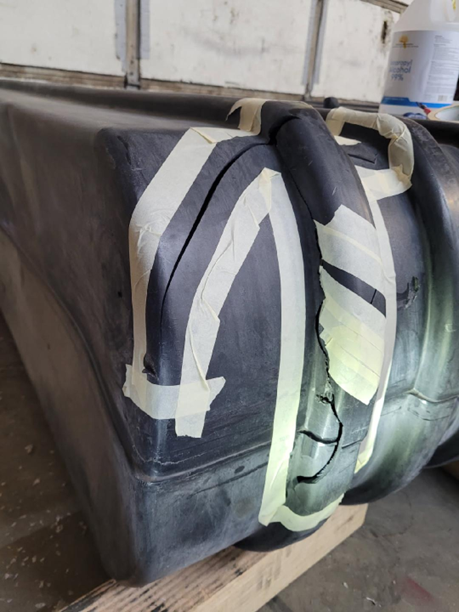
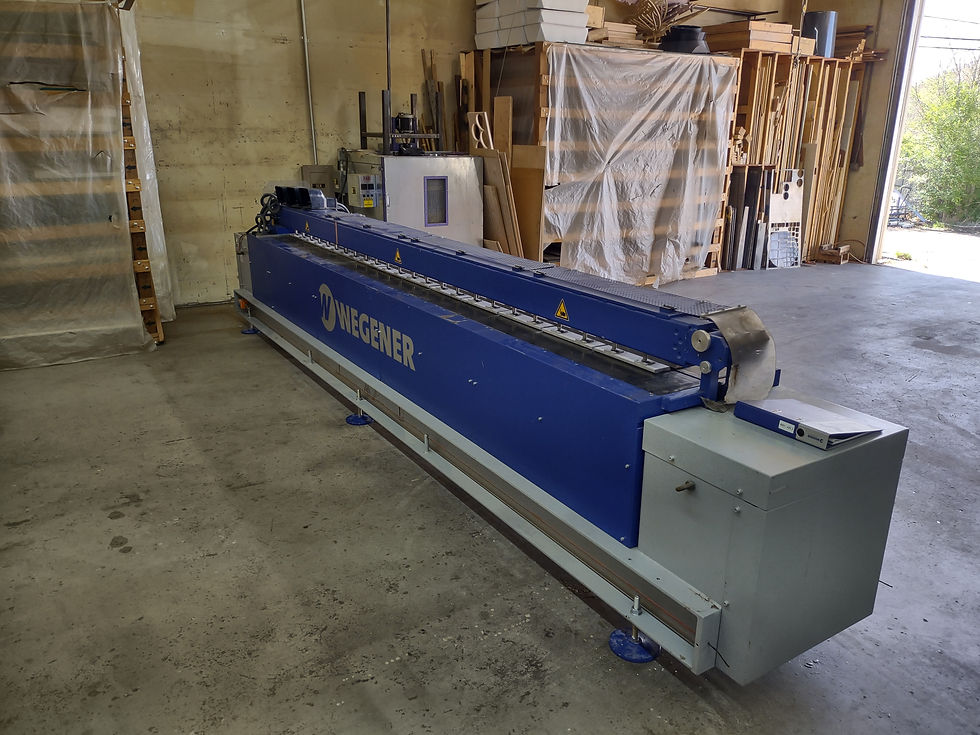
Extrusion Welding PVC: The Good, the Bad, and the Ugly Truth

Extrusion Welding PVC: The Good, the Bad, and the Ugly Truth
Short answer: Extrusion welding PVC delivers reliable, chemical-resistant, rigid assemblies — but it demands tight heat control, ventilation, and expert technique because PVC cools fast, degrades easily, and releases chlorine gas when heated.
Byline: Written by Pro Plastic Welding — specialists in thermoplastic welded assemblies.Last updated: 2025
Extrusion welding PVC has become a core fabrication and repair method for chemical containment, wet-process systems, R&D builds, and rigid panel assemblies. Because extrusion welding PVC can produce exceptional results only when performed within PVC’s very narrow thermal window, buyers deserve a clear look at the good, the bad, and the ugly truth so they can choose shops that understand the material — not just weld it.
Below is a complete guide built on real field experience from shop welding, mobile welding, CNC work, tank fabrication, and PVC repair across multiple industries.
Pain Points in Target Industries for Extrusion Welding PVC
In short, most issues arise from heat sensitivity, cooling speed, and fumes during extrusion welding PVC.
Across chemical plants, anodizing lines, food processors, water treatment facilities, dairies, R&D labs, and general manufacturing, buyers face recurring challenges. These pain points explain why extrusion welding PVC is often misunderstood — and why results range from excellent to catastrophic depending on the shop.
1. Too Much Preheat Burns and Degrades PVC
Unlike polyethylene or polypropylene, PVC does not tolerate aggressive preheat. Excess preheat:
Scorches the polymer
Produces a chalky surface
Weakens the bond interface
Causes internal brittleness
Damages the bead optics
Excessive harmful off gassing
Why does preheat matter so much during extrusion welding PVC?Because PVC’s melt window is tight — just a small overshoot breaks polymer chains and ruins mechanical strength. Shops must monitor heat output, tool settings, and deposition speed with discipline.
2. PVC Cools Extremely Fast
During extrusion welding PVC, the bead cools much faster than PE or PP. This can cause:
Incomplete fusion
Trapped cold laps
Surface cracking
Pitted bead appearance
“Cosmetic-but-not-structural” welds
The welder must work quickly and consistently, maintaining travel speed and pressure while avoiding overheating. This is where true craftsmanship becomes visible. Additionally, you must preheat the PTFE weld shoe at a hotter temperature to ensure the plastic doesn’t cool in the weld shoe.
What happens when a shop ignores cooling speed during extrusion welding PVC?Weak welds. Nearly every premature failure in the field comes back to improper fusion caused by cold material, rushed passes, contamination or degradation of the weld.
3. Inconsistent Material Quality
From Type I vs. Type II to virgin vs. recycled content, PVC behaves differently depending on its formulation. If welders don't know the grade, extrusion welding PVC becomes unpredictable.
How can buyers avoid this?Ask the shop to identify the PVC type and verify weld compatibility before production. You can also request material certification from the supplier.
Capabilities Overview for Extrusion Welding PVC
In short, reliable extrusion welding PVC requires the right prep, the right tooling, and consistent process control — not just a welder with a handheld machine.
H3: CNC Machining + Joint Prep for Extrusion Welding PVC
Good welds start with good prep. Our 4×8 CNC router creates:
Consistent bevels
Exact joint gaps
Repeatable fit-up for production
PVC demands precise groove profiles because improper prep amplifies cooling issues and reduces fusion strength.
H3: Fabrication + Fitting for Extrusion Welding PVC
We integrate sawing, drilling, and custom fixturing to stabilize assemblies during extrusion welding PVC. This helps eliminate movement and warping of the part, especially on long panels or box geometries.
H3: Multi-Process Integration with Extrusion Welding PVC
For many assemblies, extrusion welding PVC works alongside:
Hot gas tacking for corners
Butt welding (hot plate) for large sheets
Spin-weld fittings for pressure-capable connections
Metal frame integration via MIG welding (aluminum, stainless, mild steel)
Combining techniques increases repeatability and reduces stress concentrations in the final part.
H3: Safety and Ventilation Control During Extrusion Welding PVC
Because PVC can off-gas chlorine compounds, we use localized ventilation, filtered air movement, and strict heat settings. These practices protect welders and preserve polymer integrity. Proper ventilation and PPE are non-negotiable. Any shop welding PVC without ventilation controls is risking worker health and weld quality.
Materials, Design, and QA for Extrusion Welding PVC
In short, PVC must be understood at the material level before anyone attempts to weld it.
Material Considerations
PVC comes in grades that weld differently:
Type I: more rigid, strong, stable
Type II: tougher, more impact-resistant
CPVC: higher heat rating, used for specialty environments
UV-stabilized or chemical-specific blends
Design Considerations
PVC rewards a design that provides access and stability for the welder:
Wide bevels
Predictable joint lines
Strength-bearing corners supported by hot gas layers
Material thicknesses that match thermal behavior
Why does design matter so much during extrusion welding PVC?Because fast cooling and narrow melt ranges magnify geometric weaknesses.
QA Considerations
Our QA process includes:
Temperature logs
Weld bead width checks
Coupon fusion testing
light visual inspections
Documentation for repeatable production runs
PVC’s sensitivity means even small deviations matter.
Applications by Industry for Extrusion Welding PVC
In short, extrusion welding PVC is used where chemical resistance, heat stability, and rigidity are required.
Chemical Containment
PVC is naturally chemical-resistant, making it ideal for:
Acid tanks
Sumps
Wash down cabinetry
Ventilation components
Extrusion welding PVC provides long-lasting containment solutions.
Food + Beverage Processing
Rigid housings, splash guards, and covers benefit from:
Stability
Cleanability
Non-reactive surfaces
PVC’s stiffness makes it an excellent choice for assemblies needing shape retention.
Livestock + Dairy and Agricultural Systems
While PE and PP dominate, PVC is still used for:
Divider walls
Barriers
Baffles
Drainage components requiring rigidity
Water Treatment + Anodizing
PVC’s temperature stability and chemical resistance make it a go-to choice for:
Tanks
Plating line components
Ducts
Secondary containment trays
Extrusion welding PVC enables both fabrication and repair.
R&D Labs + Prototype Facilities
PVC is affordable, easy to machine, and weldable with tight tolerances, making it ideal for:
Enclosures
Test stands
Fume extraction prototypes
Lab stations
The Good Side: Strengths of Extrusion Welding PVC
In short, extrusion welding PVC stands out because the material itself delivers advantages many polymers don’t.
1. Excellent Chemical Resistance
PVC handles a wide range of acids, salts, and industrial chemicals. For containment and process environments, this gives extrusion welding PVC a major performance advantage.
2. Higher Working Temperature Rating
PVC — and especially CPVC — can handle higher heat loads than PE or PP. This allows extrusion welding PVC to support applications where thermal cycling or elevated temperatures would limit other plastics.
3. Rigid, Stable, Strong
PVC’s stiffness is one of its biggest strengths. It delivers:
Straight panels that stay flat
Assemblies that resist flexing
Better dimensional stability
Cleaner linear weld lines
Extrusion welding PVC preserves this rigidity as long as heat is controlled.
Buyer Guidance Checklist for Extrusion Welding PVC
What should you verify before trusting a shop with extrusion welding PVC?
Do they provide proper ventilation or fume extraction?
Do they understand chlorine off-gassing risks?
Can they explain their heat-control process?
Do they test coupons before production?
Do they identify your PVC grade before welding?
Will they reject degraded materials instead of welding them?
Can they combine extrusion welding PVC with butt welds and hot-gas welds?
Do they offer repeatable CNC prep for consistent joint geometries?
If the answer to any of these is no, keep shopping.
If you need consistent, clean, safe results, our team is ready to help. Reach out today and tell us about your project so we can recommend the best approach for extrusion welding PVC in your application — and deliver durable parts built with expertise in extrusion welding PVC.